WORSHIP IN VILLAGES
Some of the many churches, chapels and other places of worship in the parishes around Frome.
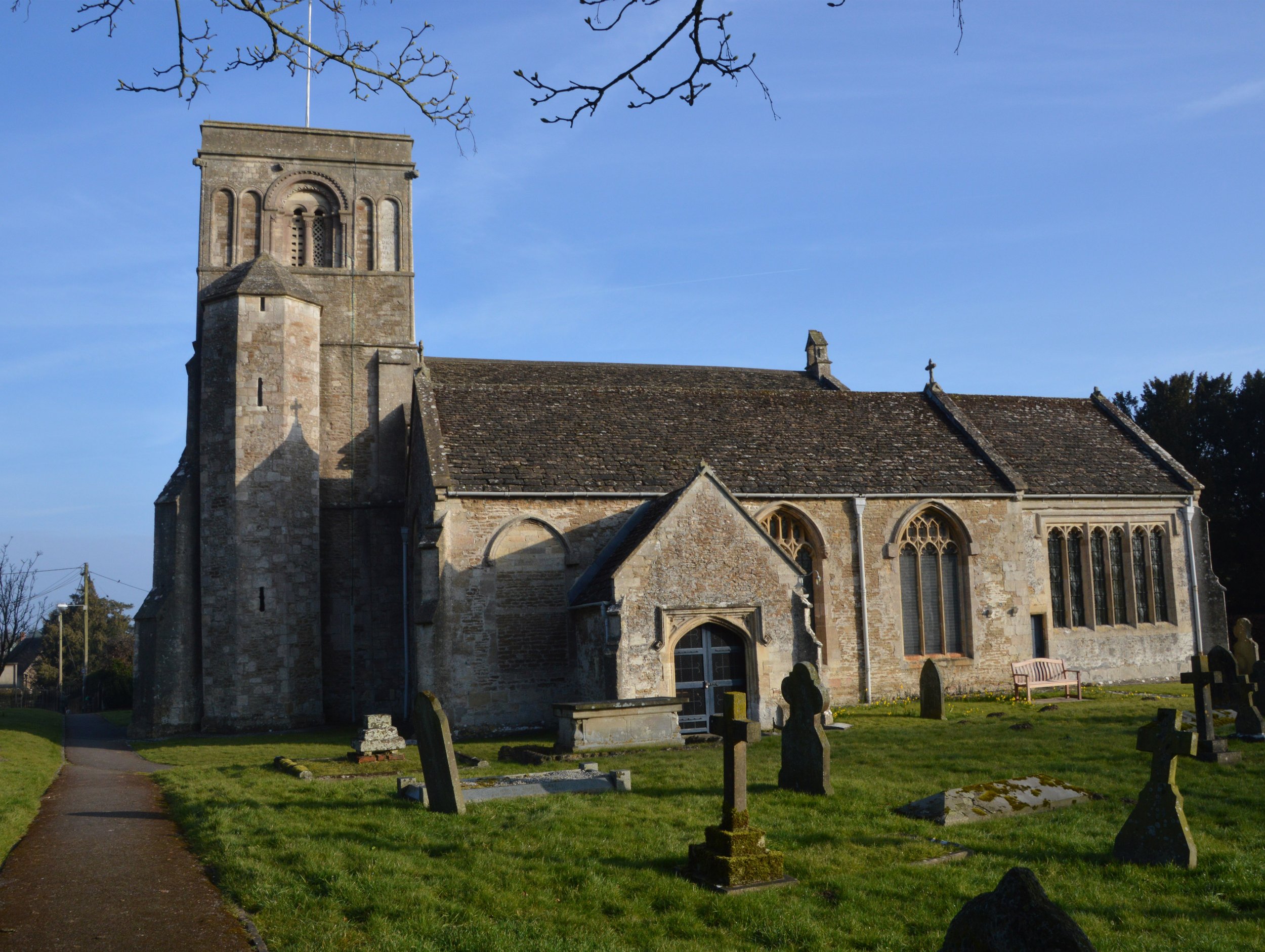
BECKINGTON CHURCH - The Norman Church of St George in Beckington dates from the 14th century. It has been designated as a grade 1 listed building.
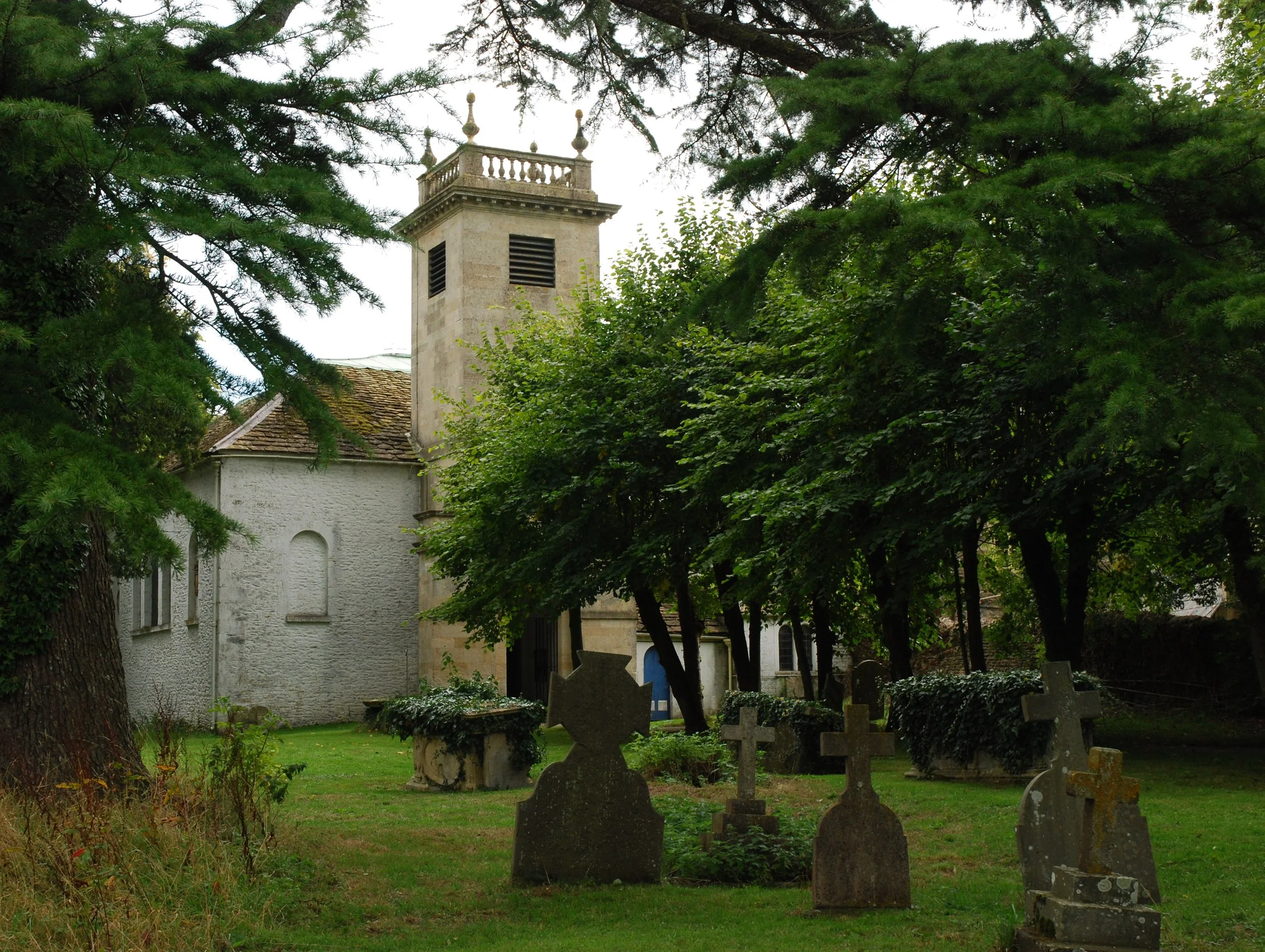
BERKLEY CHURCH - The Church of St Mary was built in 1751 and includes a recently restored organ.
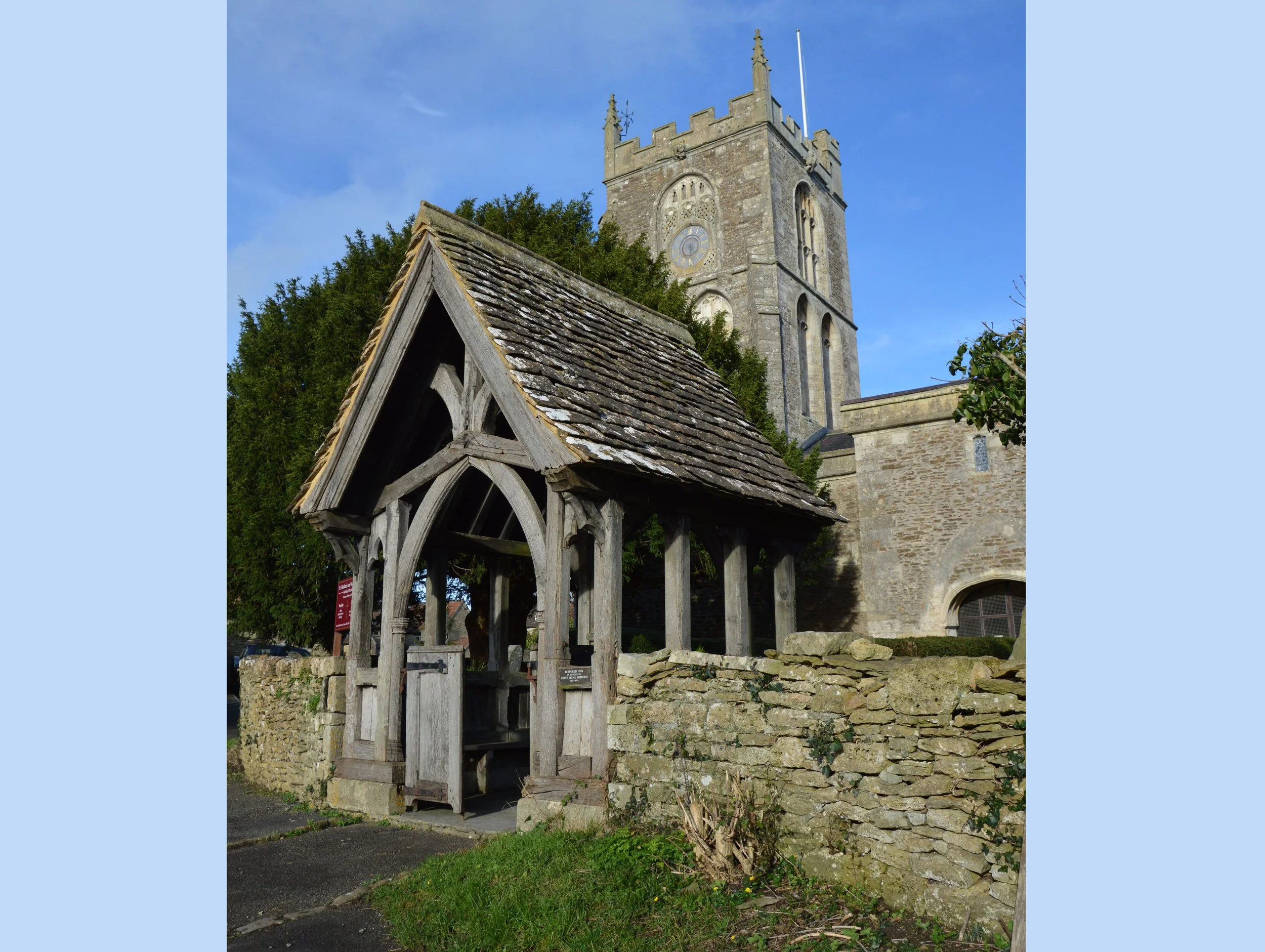
BUCKLAND DINHAM CHURCH - The Church of St Michael and All Angels at Buckland Dinham partly dates from around 1200. The tower, added in 1480, contains six bells.
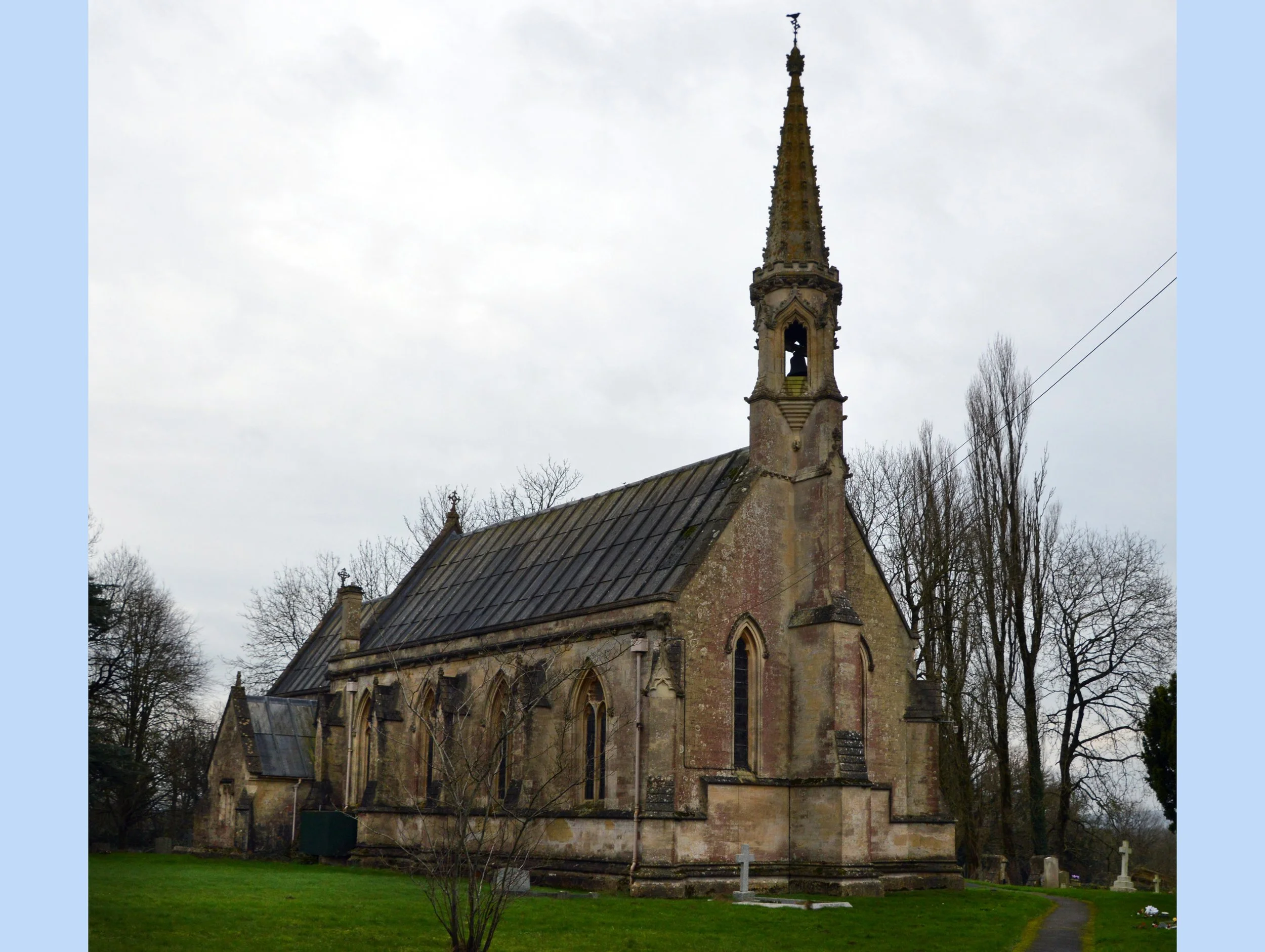
CHANTRY CHURCH - Dating from 1844-46 the Church of Holy Trinity at Chantry was built by George Gilbert Scott and William Moffatt. Later work paid for by James Fussell of Fussells Iron Works in Mells was completed by William George Brown of Frome.
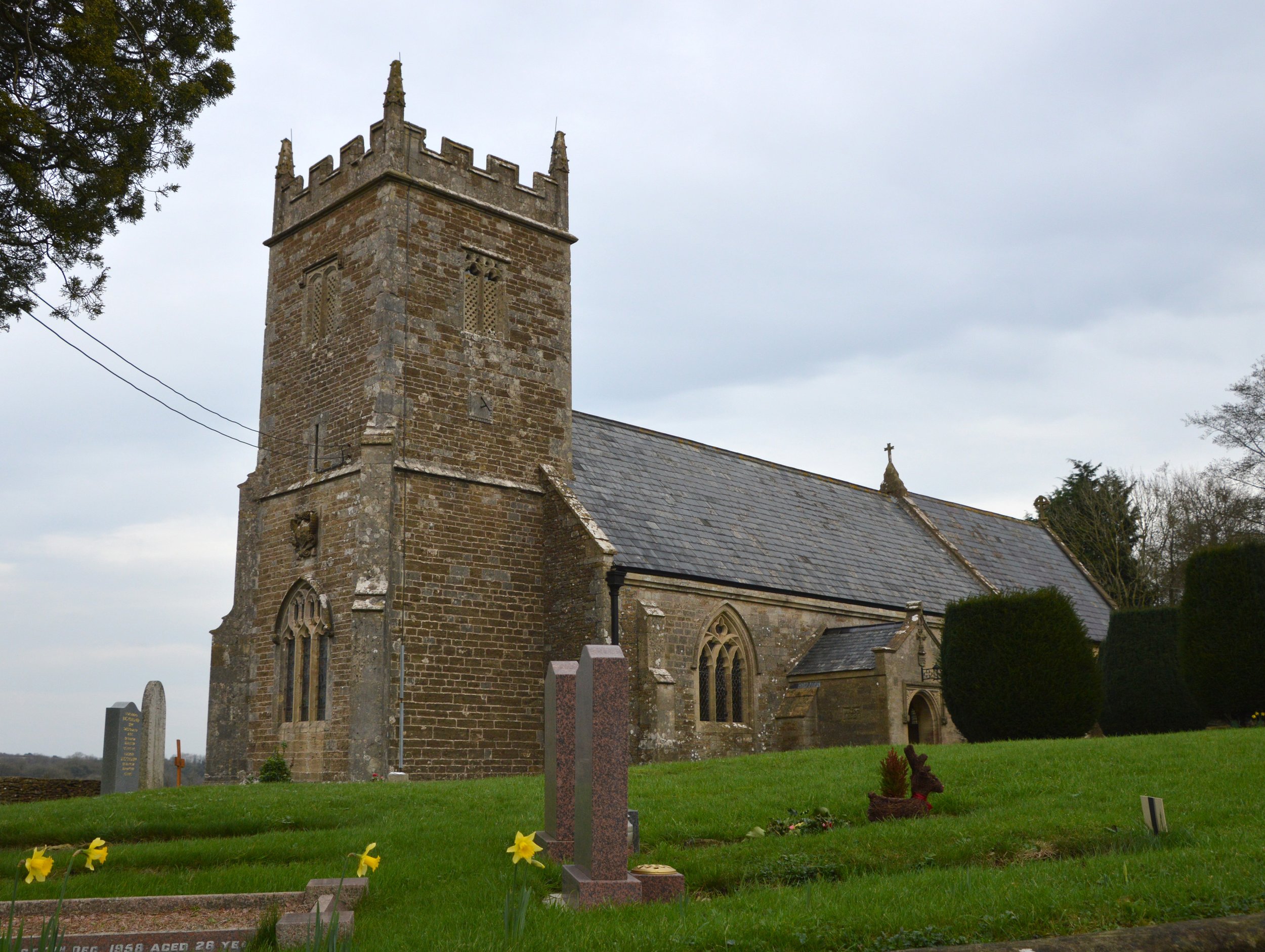
CLOFORD CHURCH - Cloford Church is of Norman origin dedicated to St Mary and dating from the 15th century.
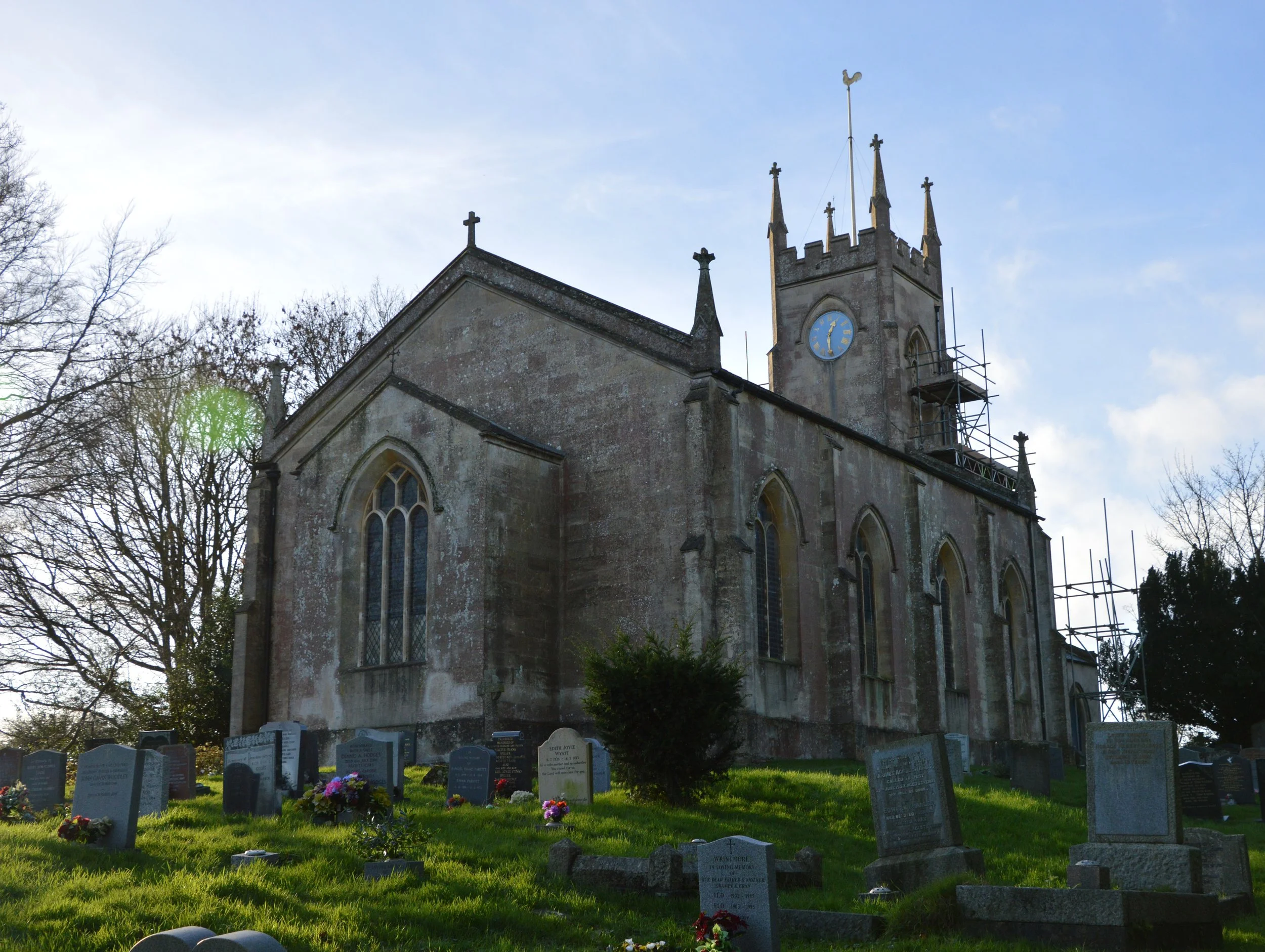
COLEFORD CHURCH - The Anglican Parish Church of The Holy Trinity was built in 1831 by J Sperring.
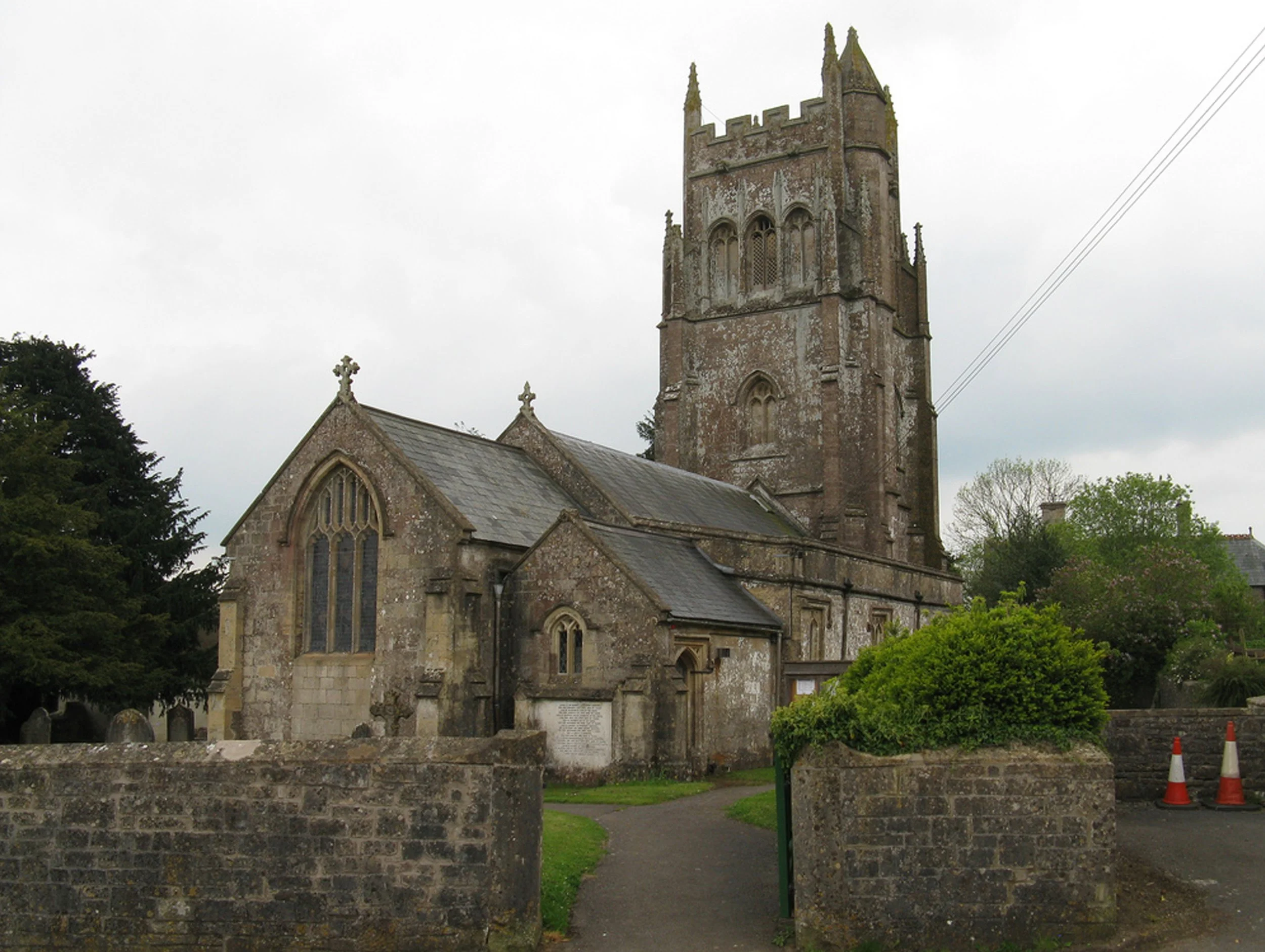
CRANMORE CHURCH - The Church of St Bartholomew dates from the 15th century and is a grade 1 listed building. The former church of St James in East Cranmore has been deconsecrated and is now a private dwelling.
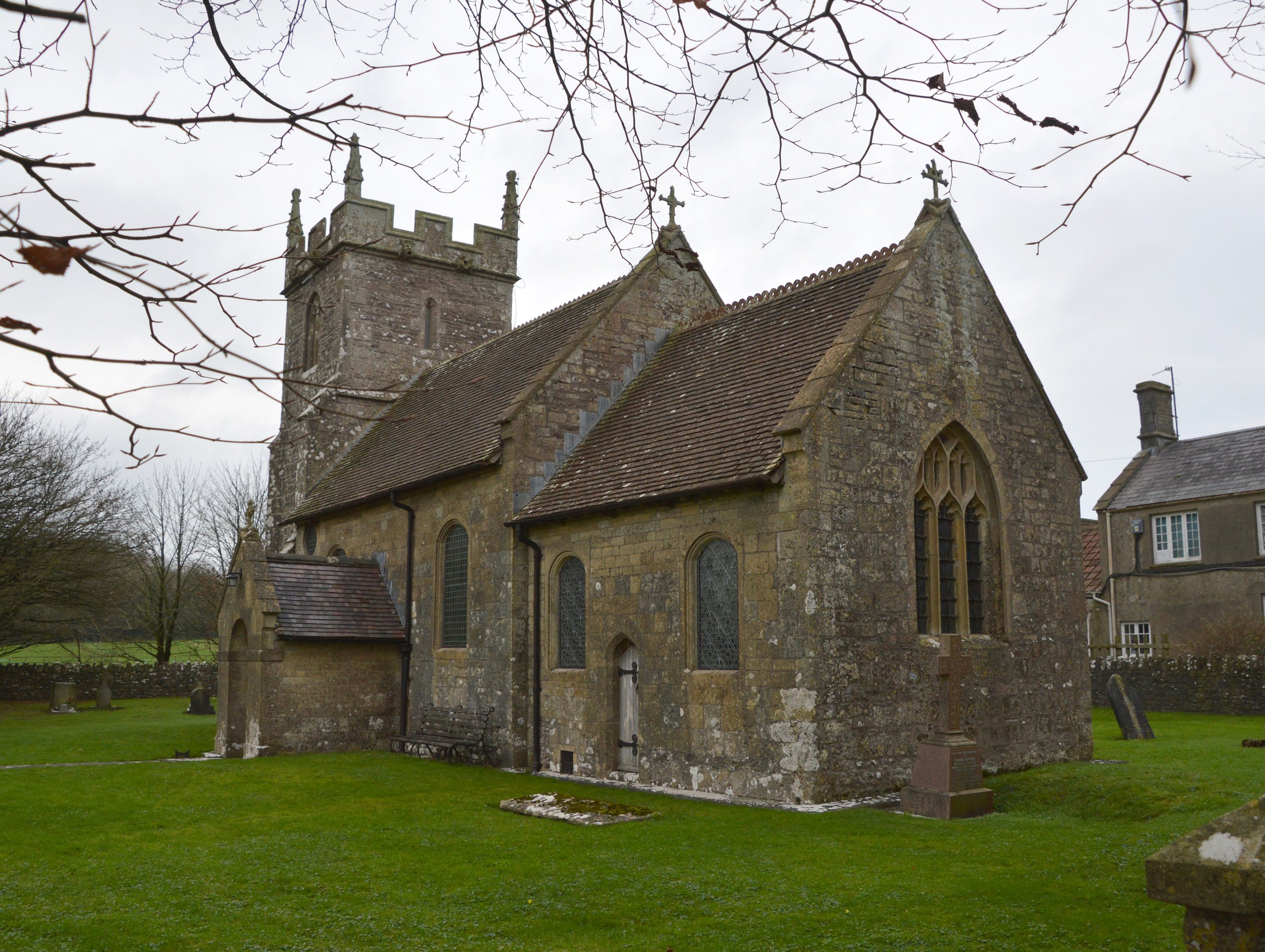
DOWNHEAD CHURCH - Downhead Church is dedicated to All Saints. The tower is 14th century with three bells cast in 1782 and the rest of the building is 18th century.
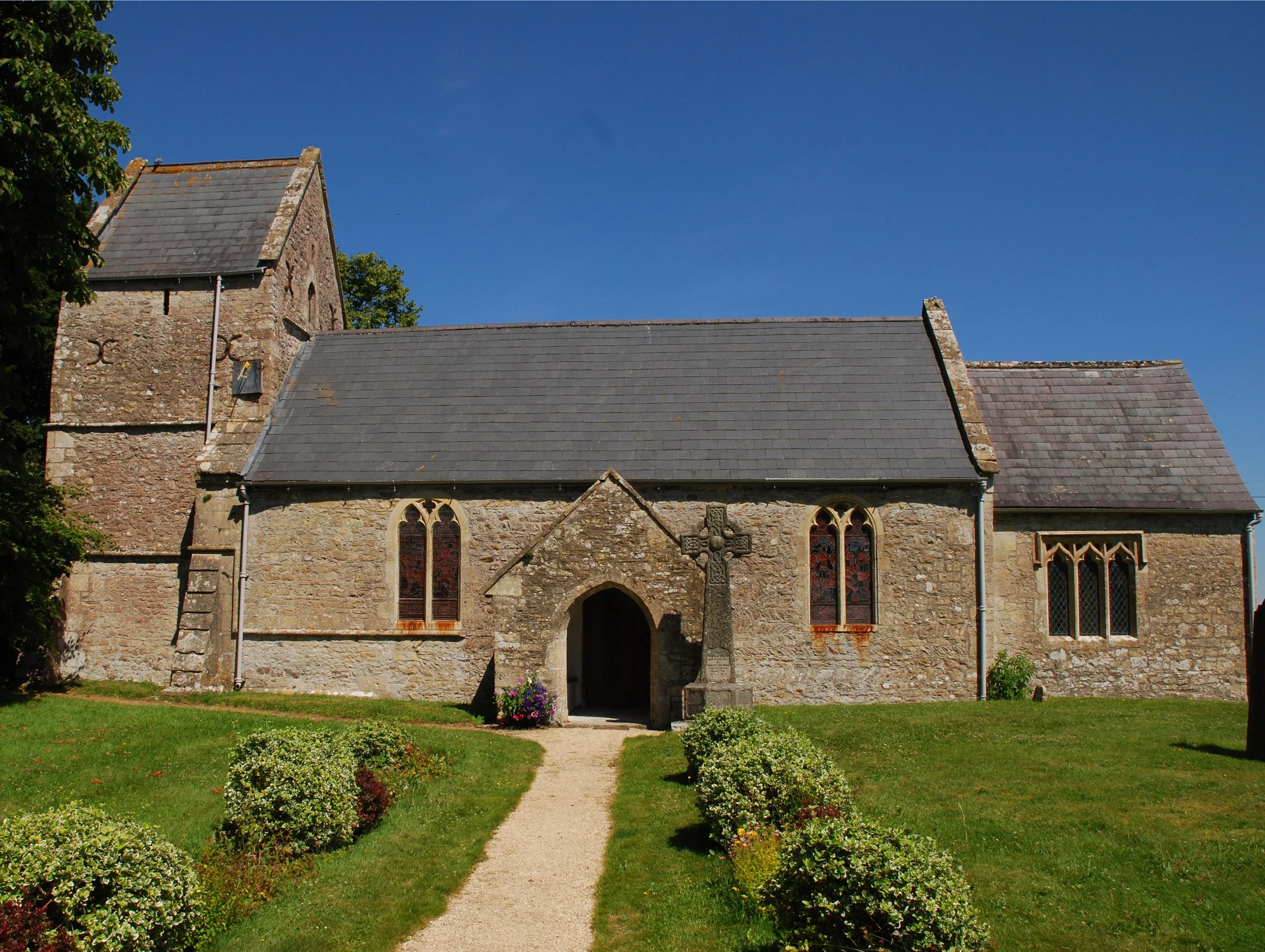
GREAT ELM CHURCH - The Church of St Mary Magdalene dates from the 12th century and is now grade II listed.
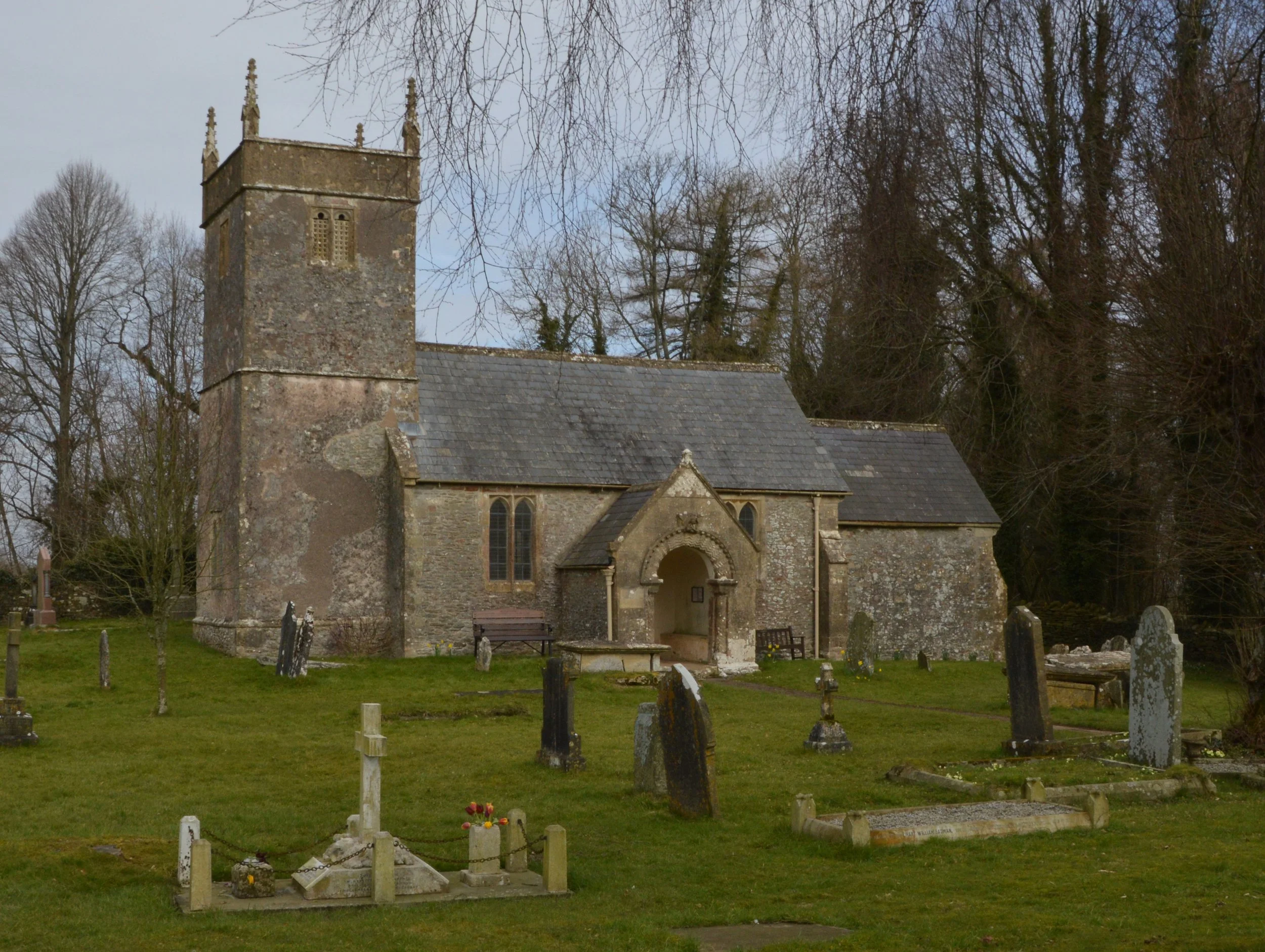
HOLCOMBE CHURCH - The old church of St Andrew has late Saxon, early Norman origins and was rebuilt in the 16th century.
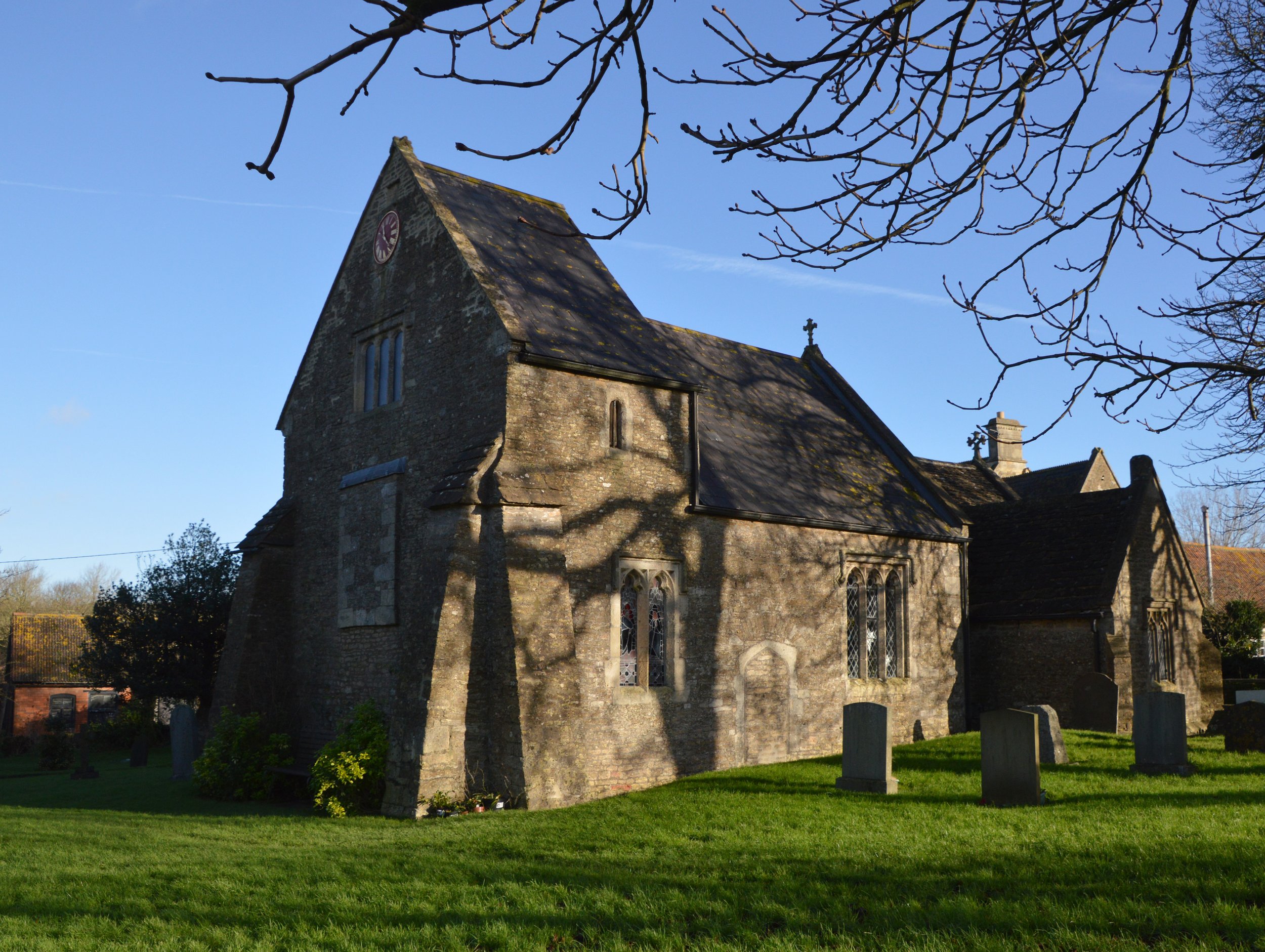
LAVERTON CHURCH - The Church of The Blessed Virgin Mary dates from the 11th century.
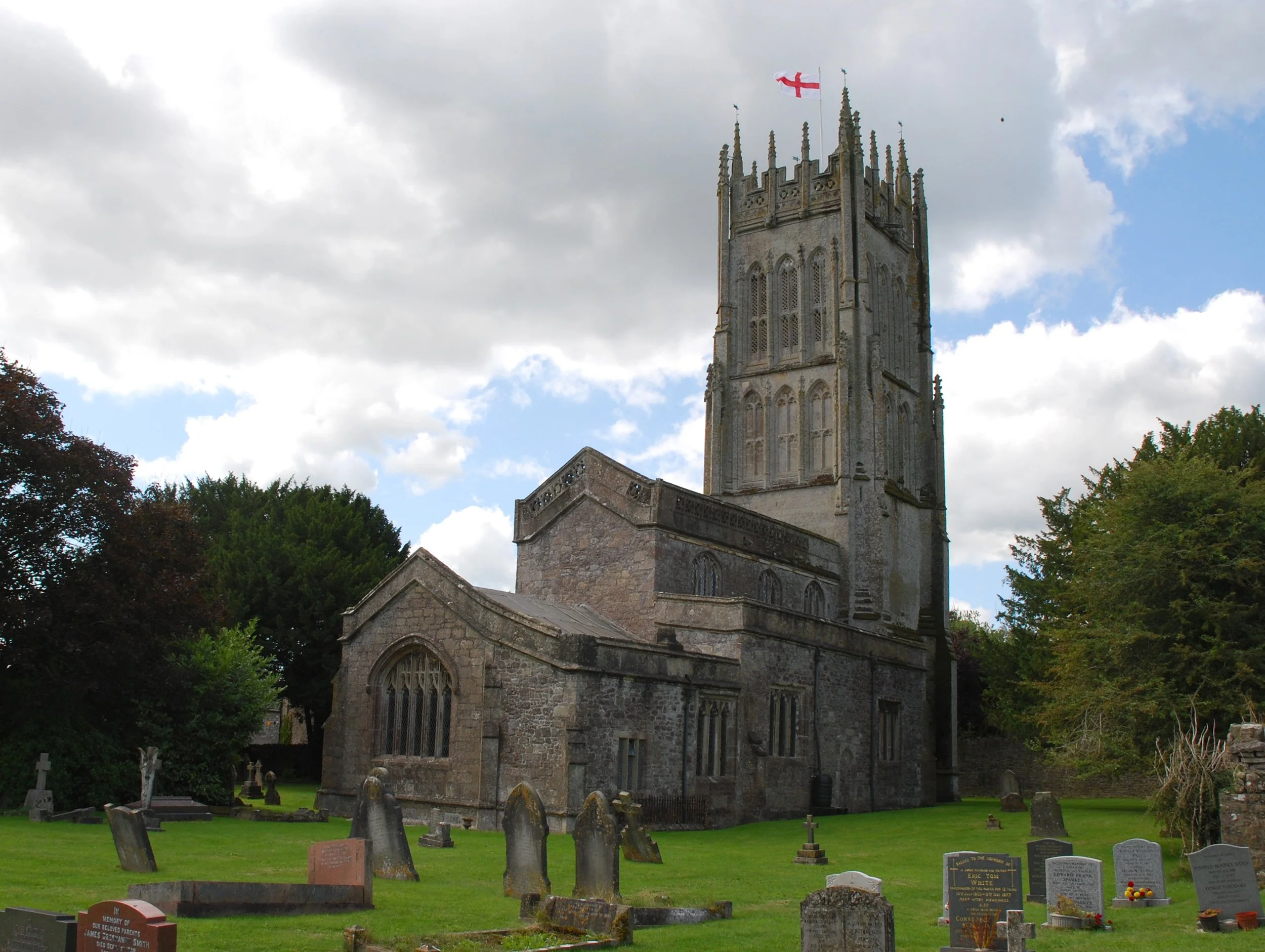
LEIGH UPON MENDIP CHURCH - The Church of St Giles dates from approx 1350 but was rebuilt c1500. The tower contains six bells (five from the 1750's) and there is also an unusual faceless clock.
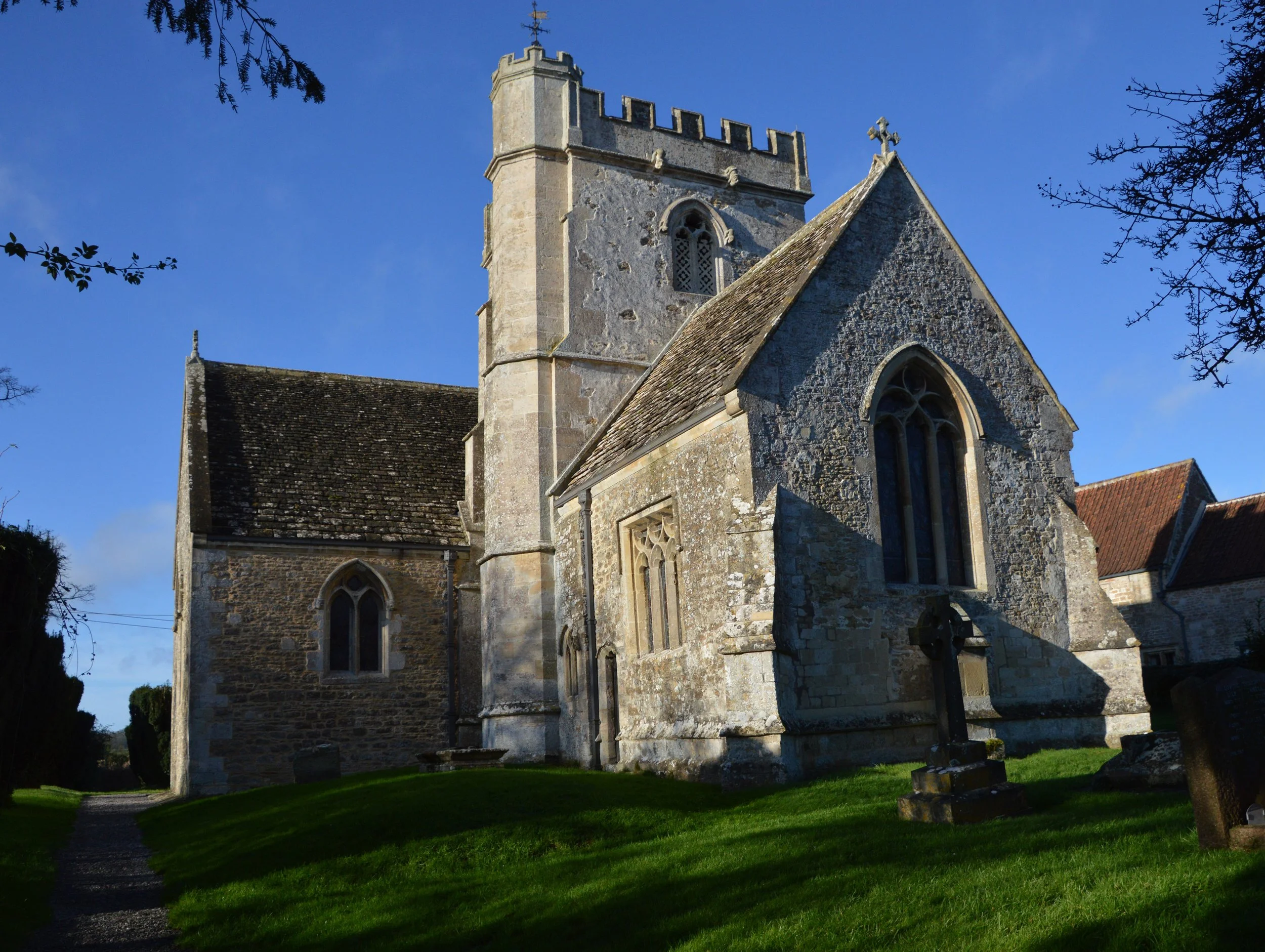
LULLINGTON CHURCH - All Saints Church at Lullington has fine Norman stonemasonry and stands firmly amidst the traditional cottages of the village.
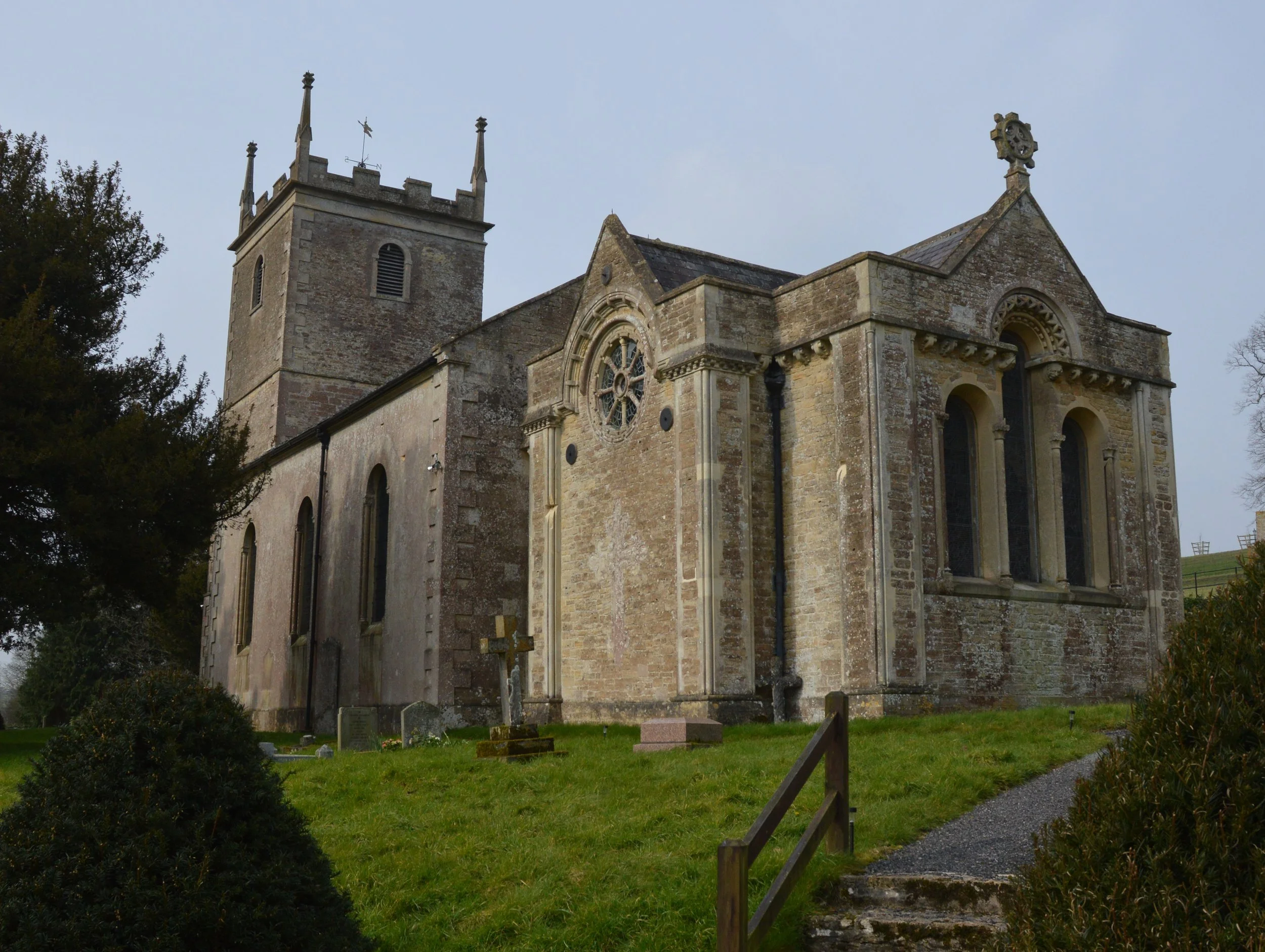
MARSTON BIGOT CHURCH - This small Church of St Leonard was built in stone and opened in 1789. It was constructed on the site of an earlier church.
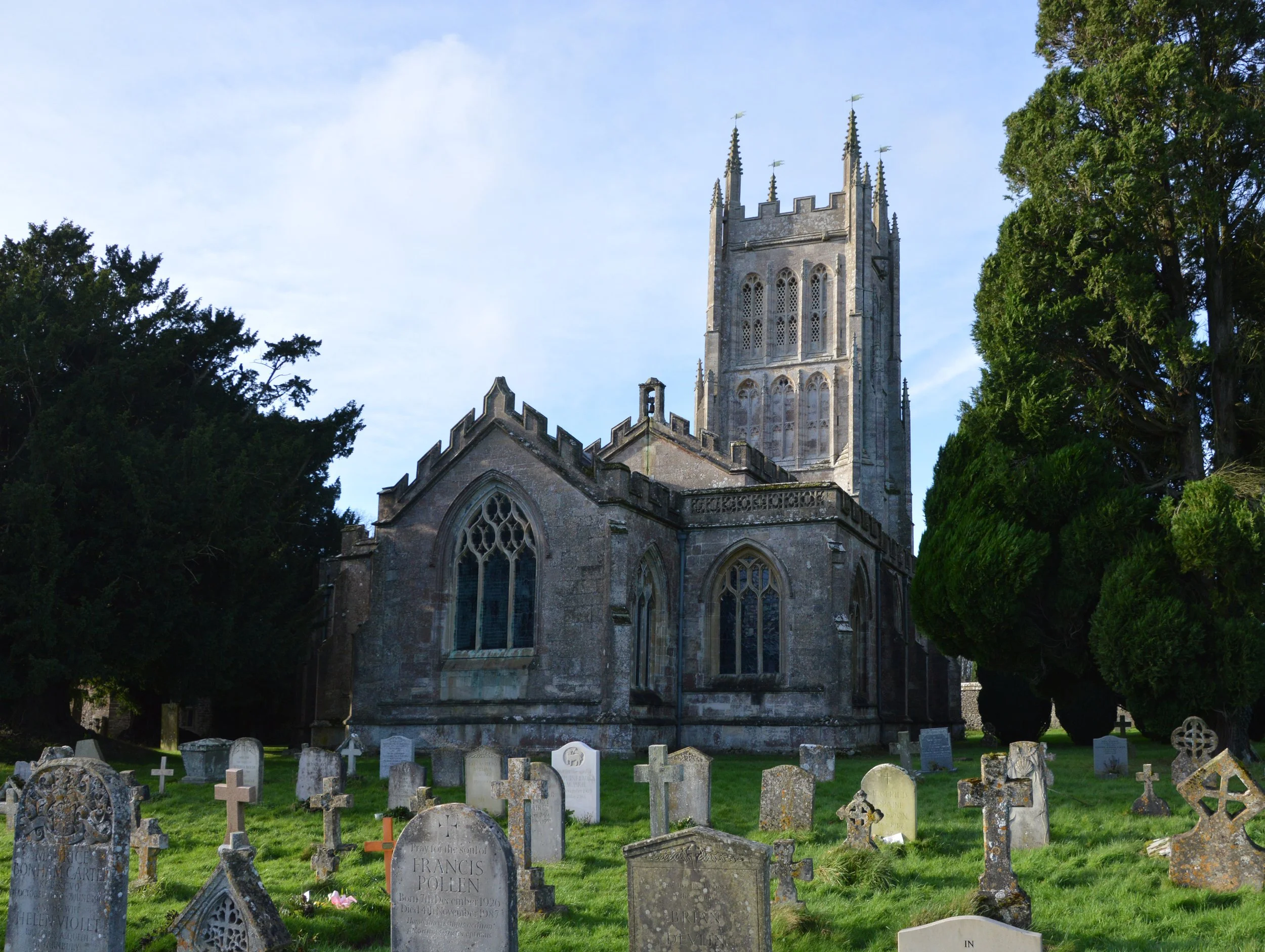
MELLS CHURCH - Standing on the site of a previous church, the Church of St Andrew dates from the late 15th century. The tower dating from 1446 has a ring of 8 bells. The Horner family from Mells Manor and the Asquith family both have close connections to the church.
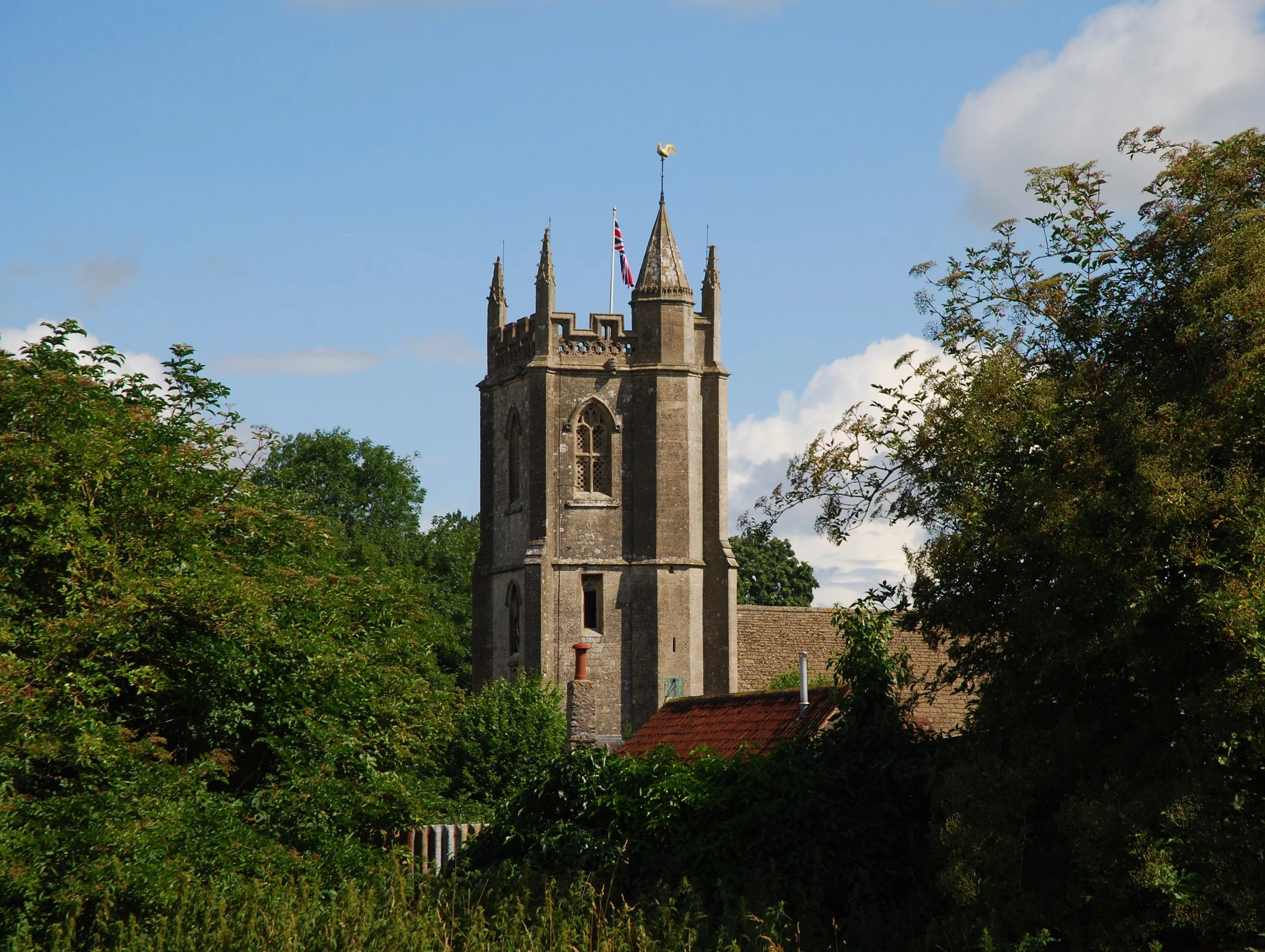
NUNNEY CHURCH - Sited opposite the famous Nunney Castle is the Church of All Saints dating from the 12th century.
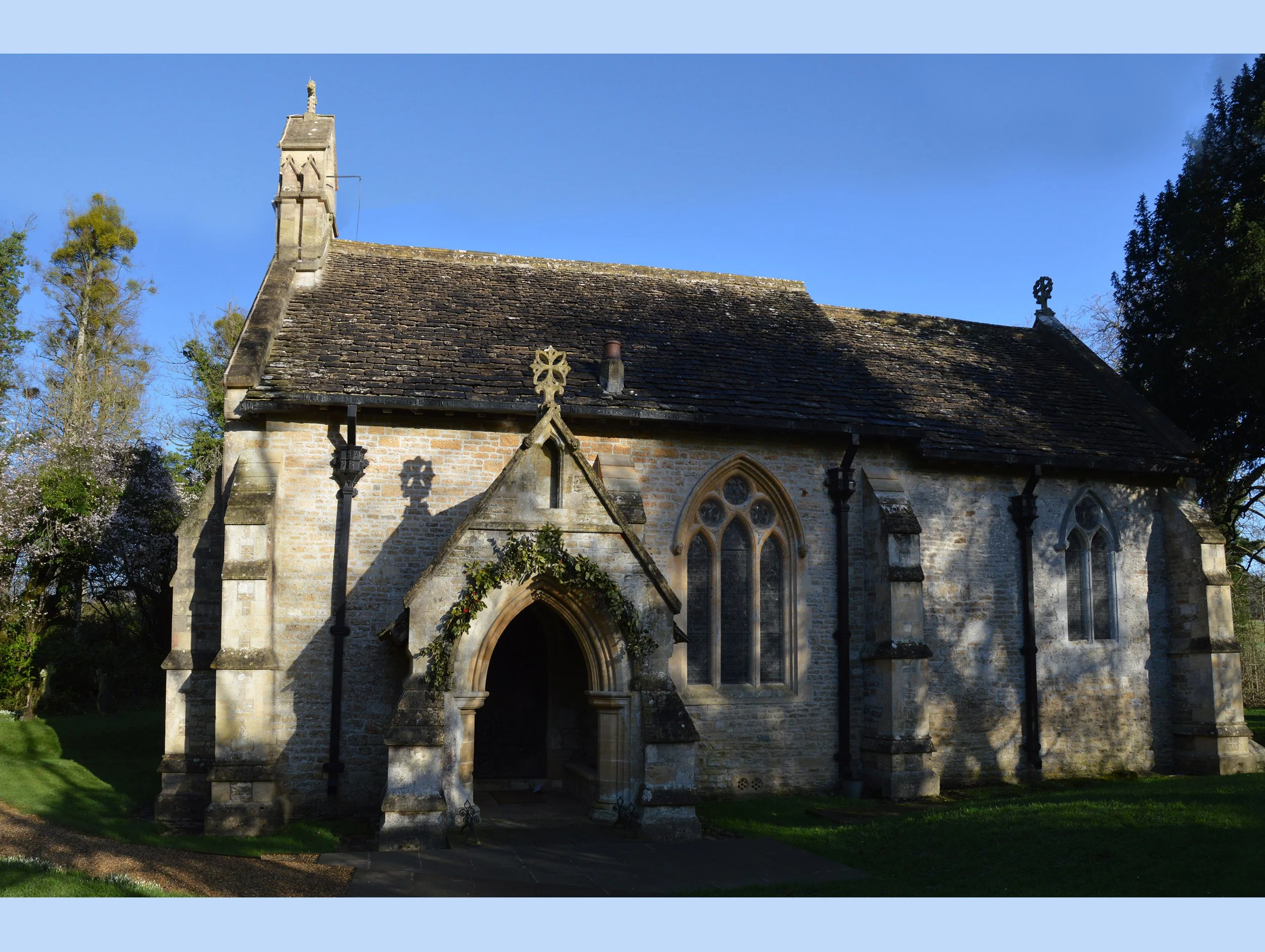
ORCHARDLEIGH CHURCH - Built in the 13th century The Church of St Mary is situated on an island on Orchardleigh Lake which is part of the estate of Orchardleigh.
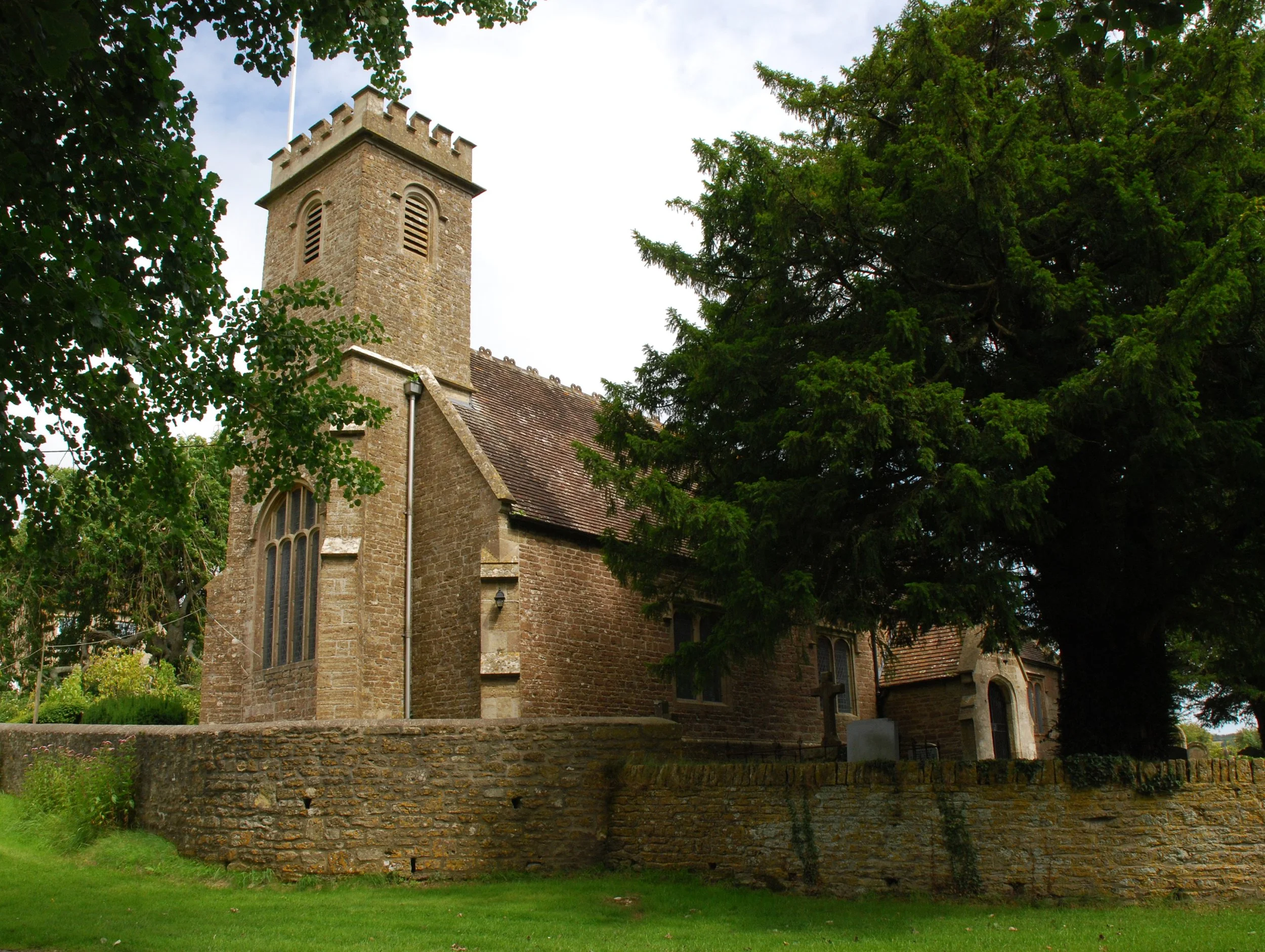
RODDEN CHURCH - All Saints Church at Rodden is believed to have existed since the 13th century.
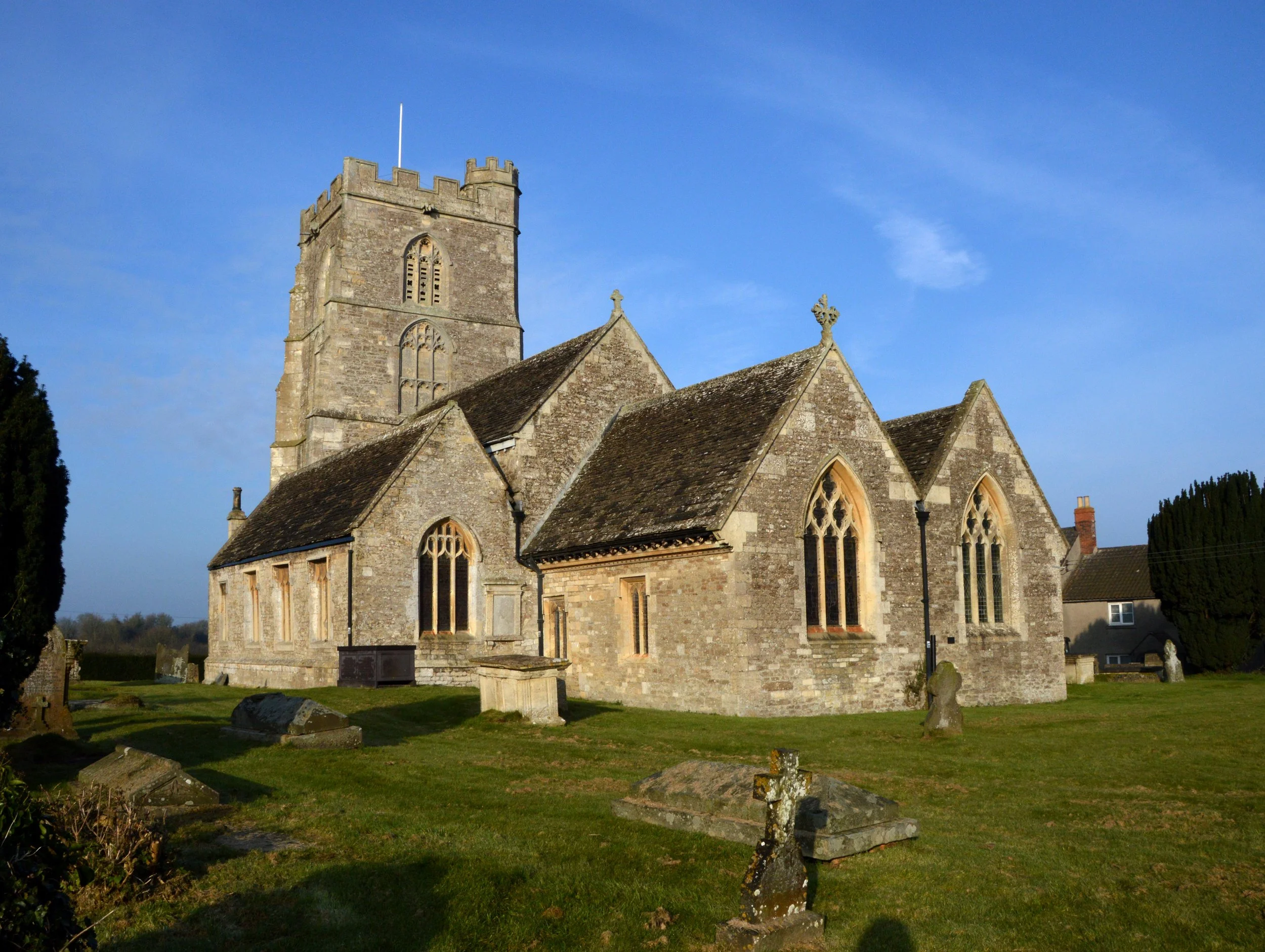
RODE CHURCH - The Church of St Lawrence (shown above) dates from the late 14th and early 15th century. At Rode Hill Christ Church was built in 1824 but was made redundant in 1995 and is now privately owned.
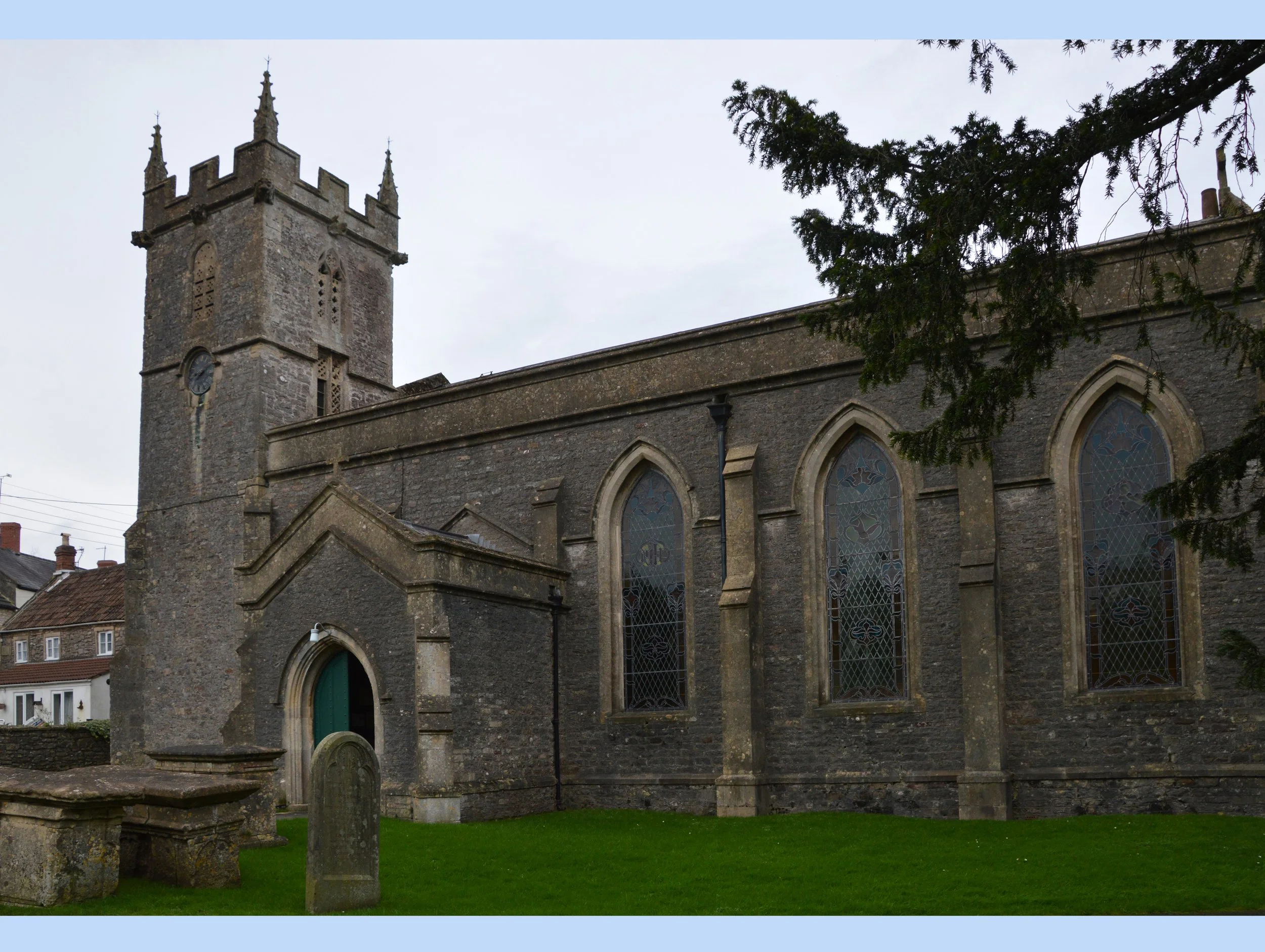
STOKE ST MICHAEL CHURCH - The parish church of Stoke St Michael (or Stoke Lane) is also called the Church of St Michael with a tower dating from c1400. The remainder of the building dates from 1838.
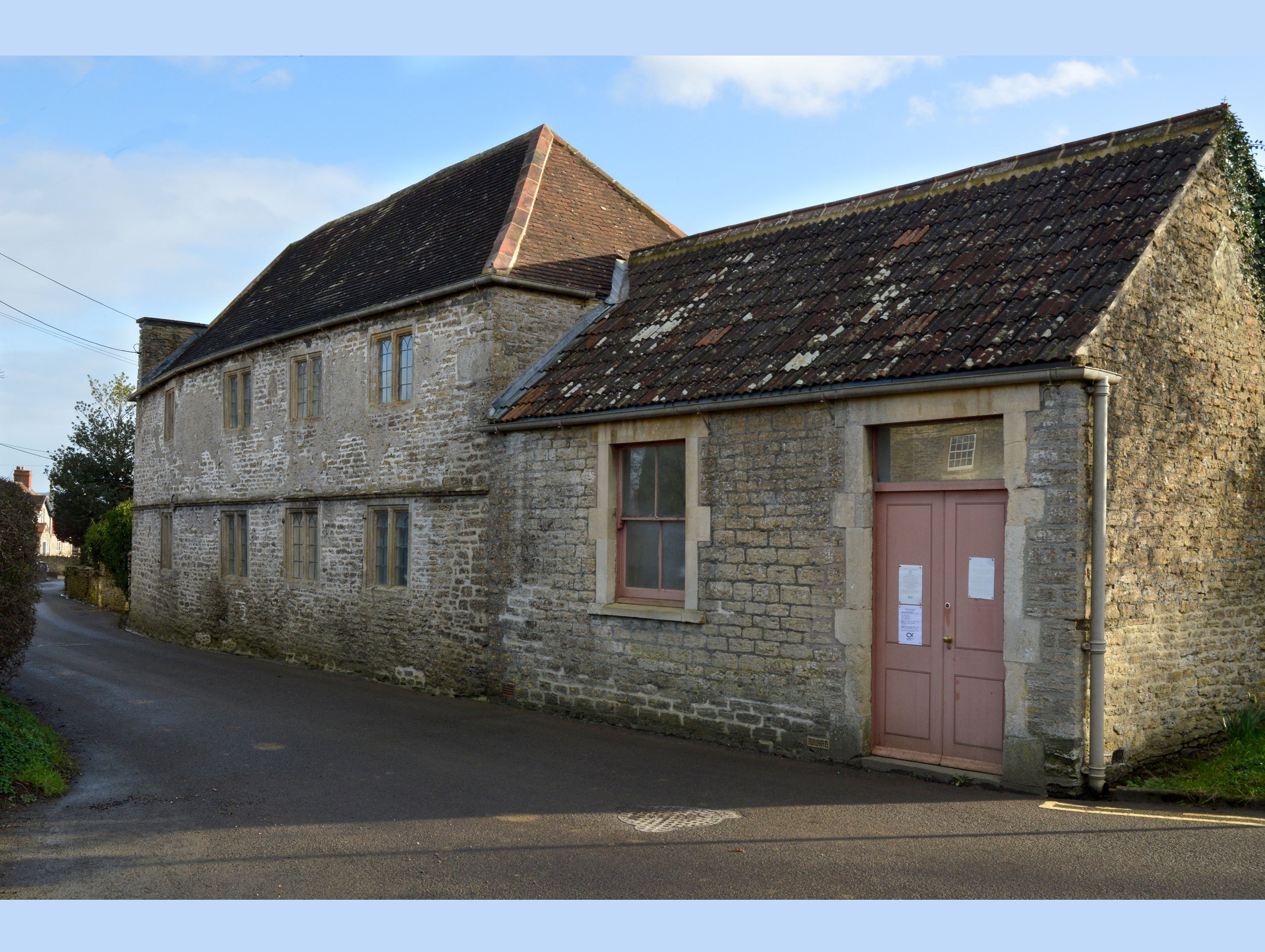
TRUDOXHILL CHAPEL - Trudoxhill Congregational Chapel was built in the early 1700s on the site of previous place of worship.
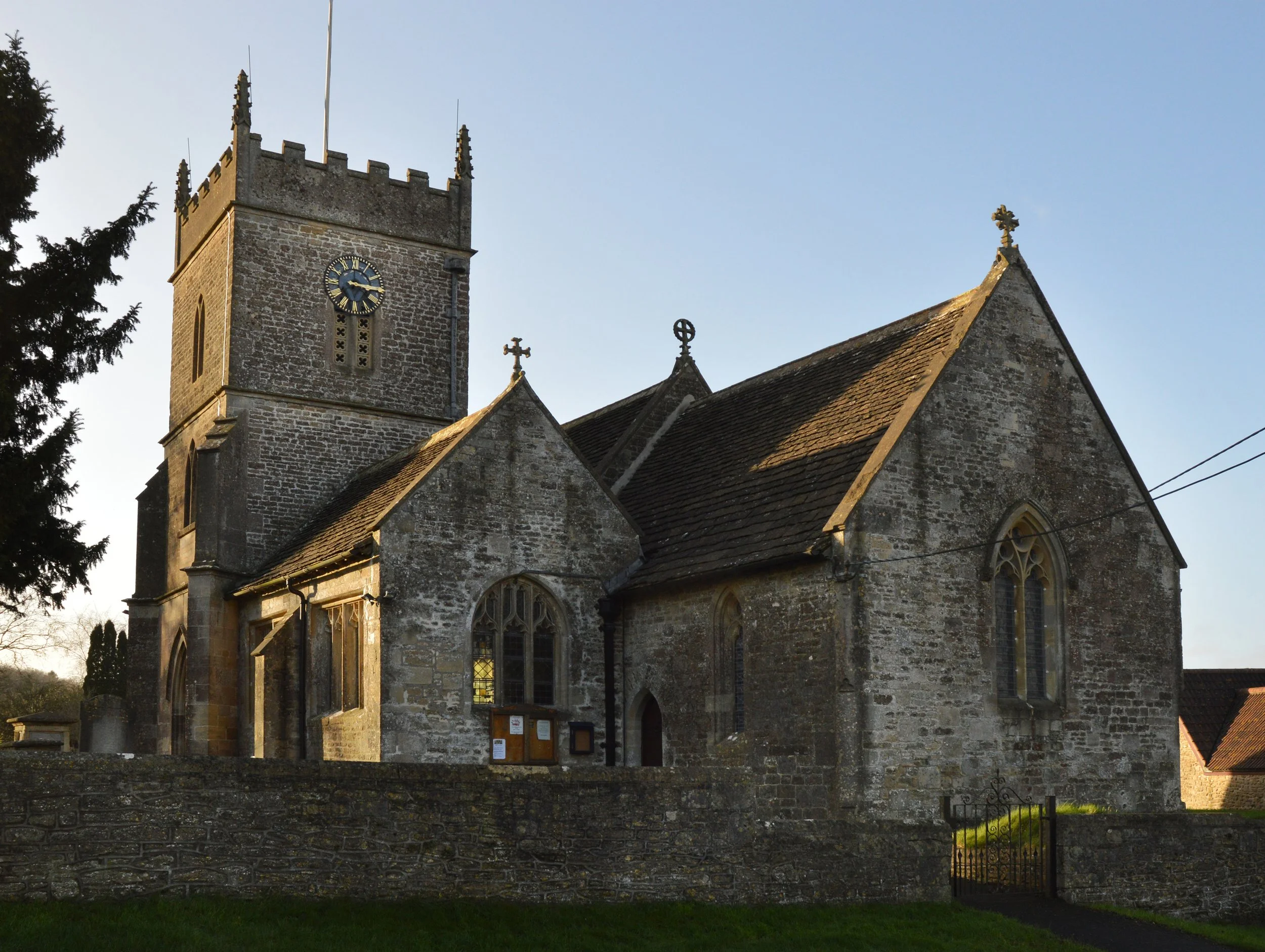
WANSTROW CHURCH - In Wanstrow the Church of The Blessed Virgin Mary is a 15th century building.
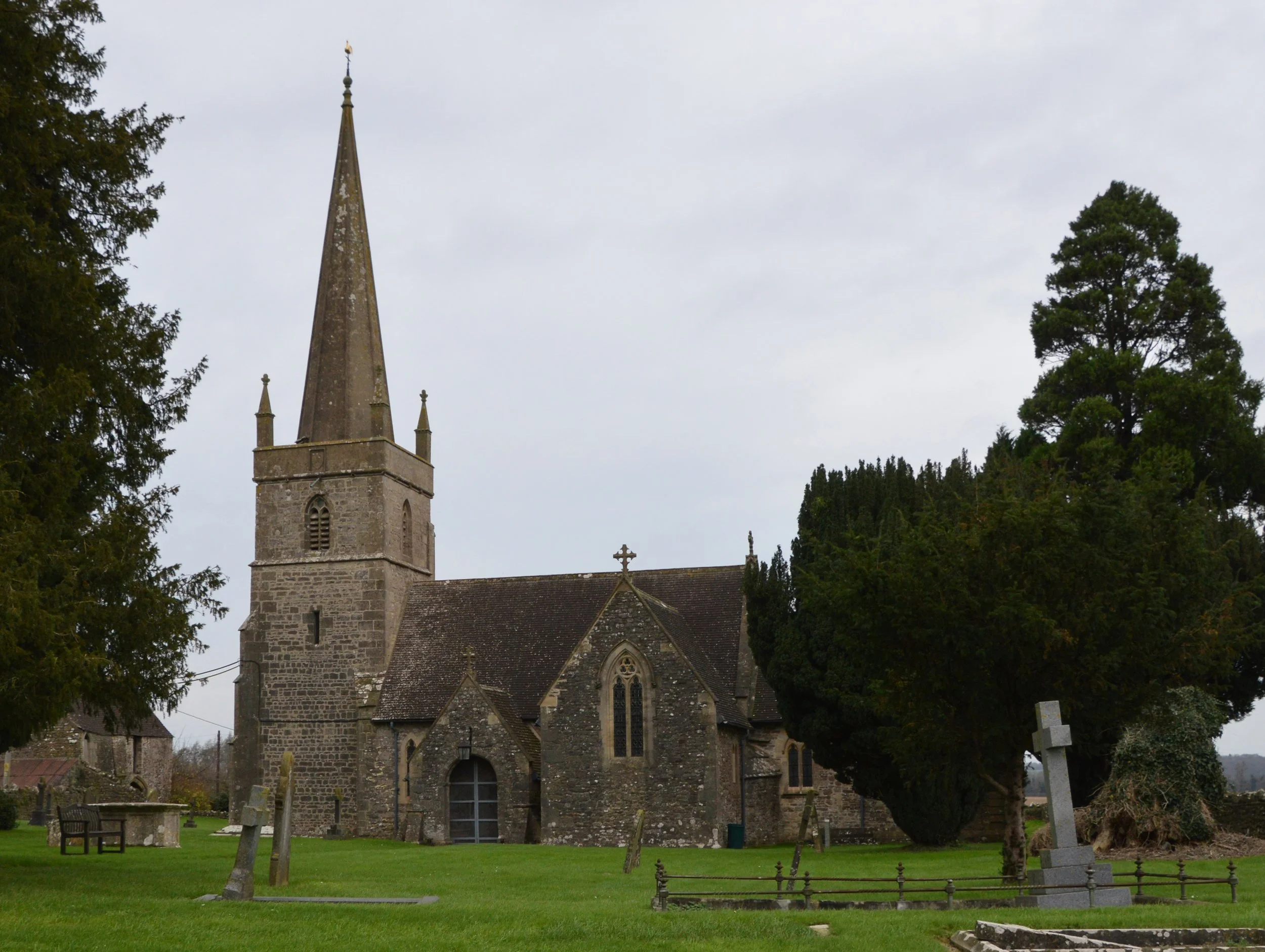
WHATLEY CHURCH - Dating from the 14th century is the Church of St George in Whatley, adjacent to a farm. In the church there is a Sarsen stone believed to have pagan origins.
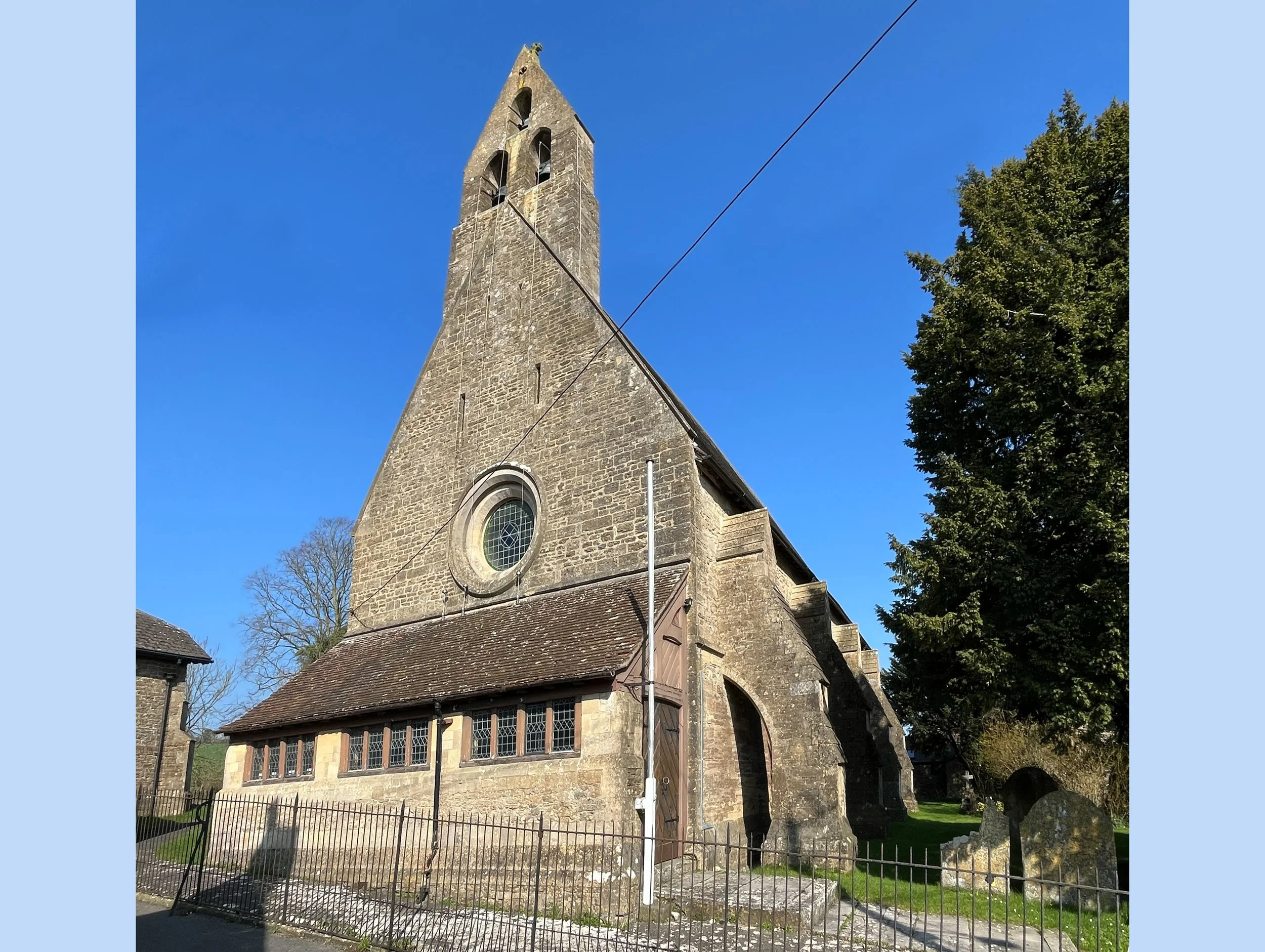
WITHAM FRIARY CHURCH - The village takes its name from the Witham charterhouse; a Carthusian Priory and part of that priory now serve as St Mary's Parish Church.
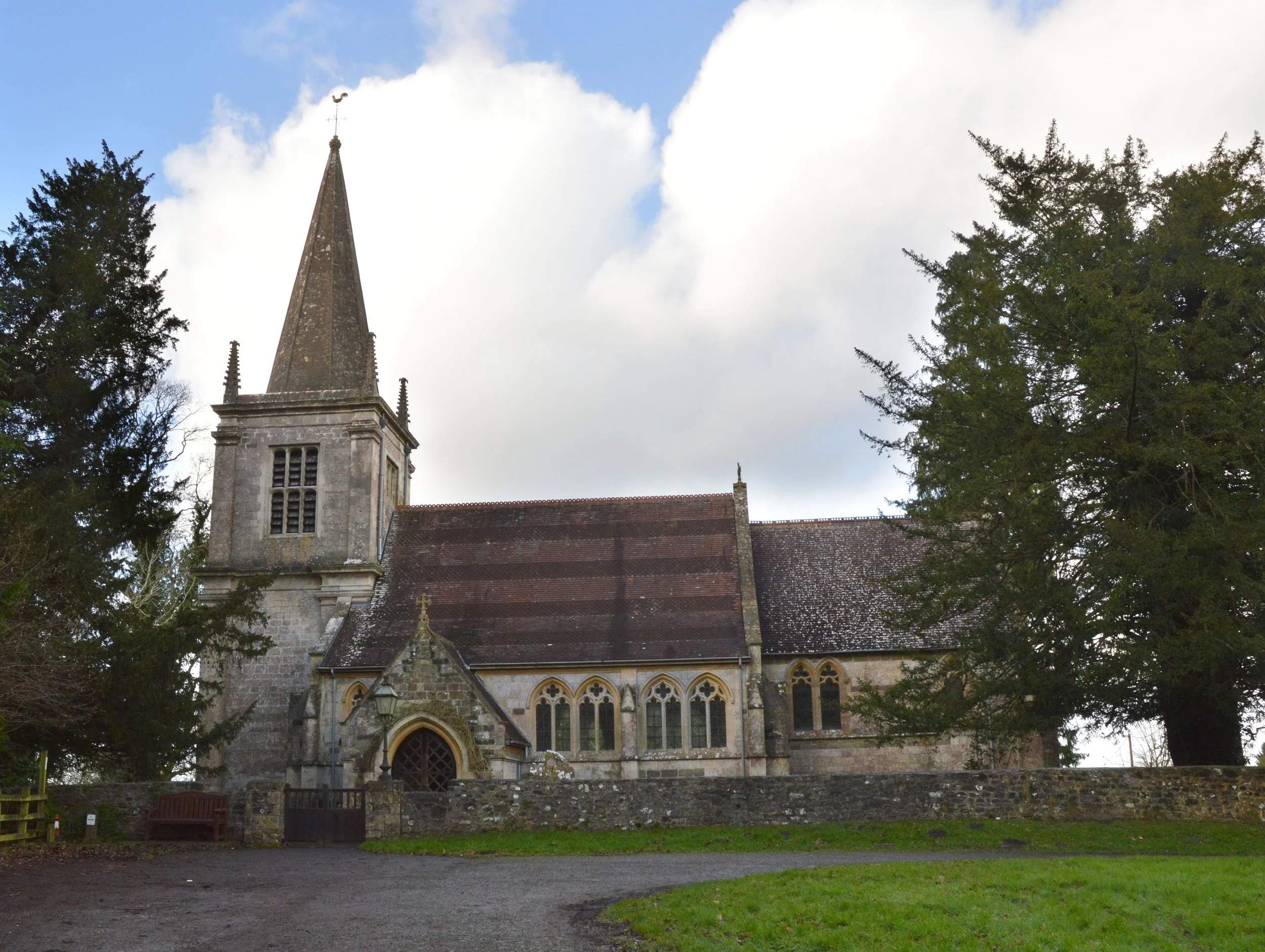
WOODLANDS CHURCH - St Katherine’s Church at East Woodlands was built in 1712 at the instigation of Thomas first Viscount Weymouth. The vicar of St John’s Church Frome was vicar of Woodlands from 1714 until 1872 when St Katherine’s became a separate parish with its own vicar.
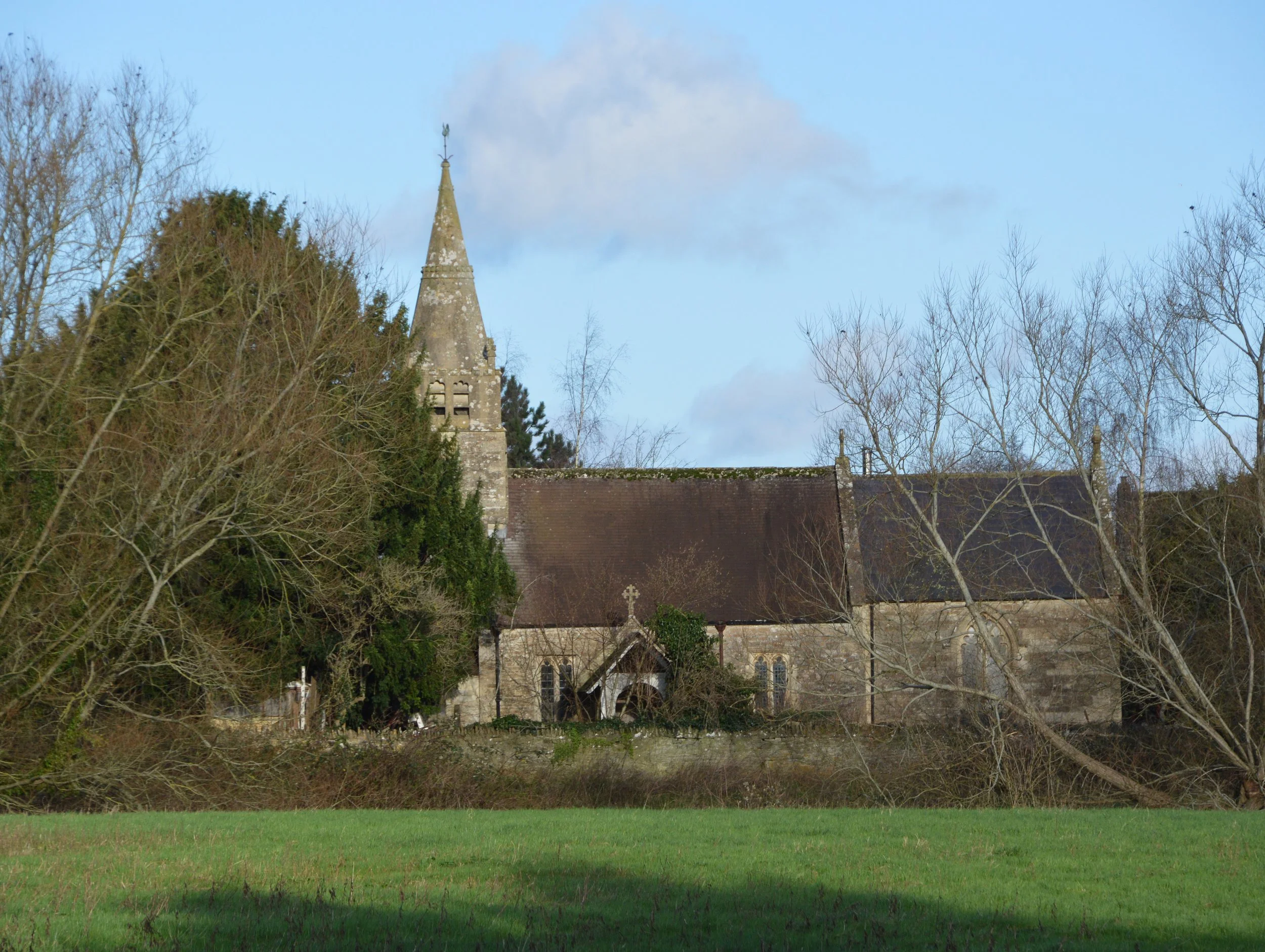
WOOLVERTON CHURCH - The former Church of St Lawrence at Woolverton dates from the 14th century and was declared redundant in 1995. It is now a private dwelling.